Practical tips for preventing occupational risks

In the workplace, risk prevention is of vital importance. Every year, millions of workers suffer accidents or illnesses due to their working conditions. Proper management of these risks not only safeguards employee health but also improves productivity and the work environment. In this article, we will explore practical tips for preventing workplace risks in different work settings.
Ergonomics in the office
Ergonomics is crucial in the office environment to prevent back pain, repetitive strain injuries, and other musculoskeletal problems. To achieve an ergonomic workstation, adjust your chair height so your feet rest firmly on the floor and your arms are level with the desk. Make sure your monitor is at eye level to avoid neck strain. Additionally, it’s important to take regular breaks and stretch to maintain circulation and reduce fatigue. Implement good ergonomic practices at work to prevent injuries.
Construction safety
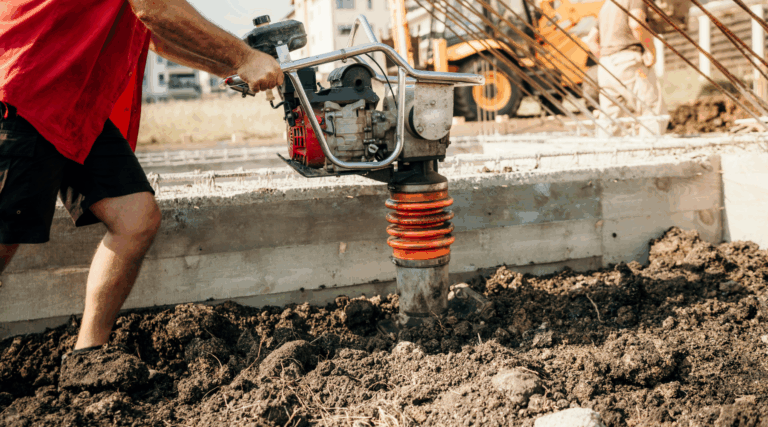
In construction, risks include falls, accidents involving machinery, and exposure to hazardous materials. It is essential to always wear appropriate personal protective equipment, such as helmets, safety glasses, and safety harnesses. Furthermore, it is crucial to follow safety protocols, such as properly marking hazardous areas and using tools and machinery correctly.
Risk prevention in the manufacturing industry
Manufacturing workers are often exposed to hazards such as operating heavy machinery or handling chemicals. To minimize these risks, it is essential to receive proper training in the safe handling of equipment and substances. Maintaining a clean and organized work environment also helps prevent accidents.
Mental health at work
Mental health is a crucial aspect of workplace safety. Chronic stress can lead to serious health problems and decreased productivity. Promoting a healthy work-life balance, providing stress management support, and creating a positive work environment are key steps in caring for employees’ mental health. Addressing workplace stress as a psychosocial risk is also important.
Training and awareness
Regular workplace safety training is essential. Workers must be aware of the risks associated with their tasks and know how to manage them. Furthermore, developing a safety culture in the workplace, where every employee feels responsible for everyone’s safety, is fundamental to preventing accidents.
Emergency preparedness
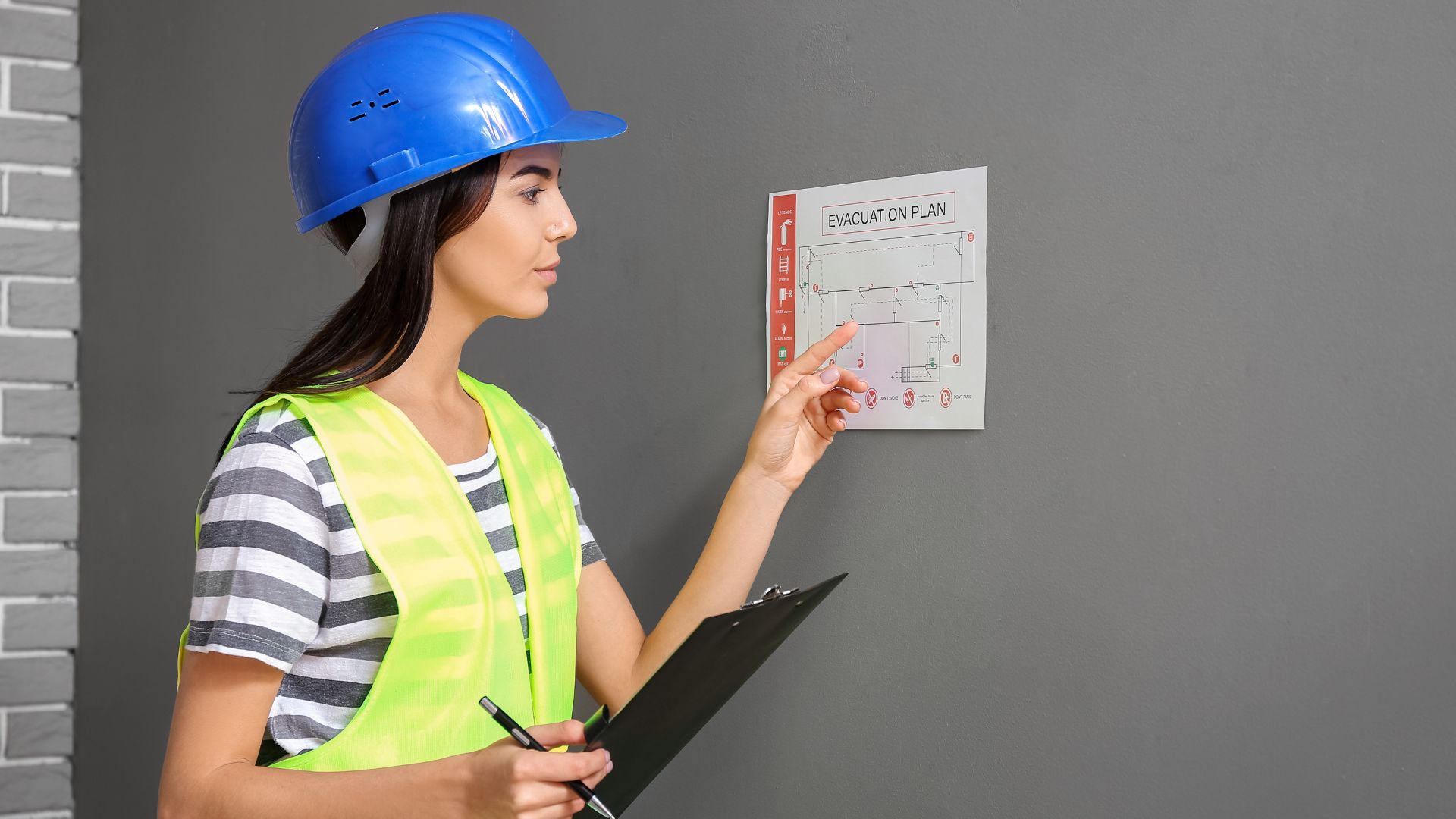
Having well-established evacuation plans and conducting regular emergency drills ensures that employees know how to act in an emergency. Additionally, it’s important to have readily available first aid supplies and staff trained in CPR and other first aid techniques. And have a comprehensive emergency plan in place at your company.
Implementing these practical tips for workplace safety can make a big difference. You’ll not only protect the health and well-being of your employees, but you’ll also create a safer and more productive work environment.
If you’re interested in improving workplace safety, we invite you to learn more about the services Sabentis offers. Our experts can help you implement effective occupational risk management strategies. Visit our website for more information and advice.